
Shinrin-yoku, the art of forest bathing
"Imagine walking through a forest.
You feel the ground and the leaves under your feet, the twigs crunching.
You hear the birds singing, and when you look up, you see the blue sky through the gaps in the branches, and you see the rays of the sun shining down on the path ahead of you."
Mijazaki Josifumi
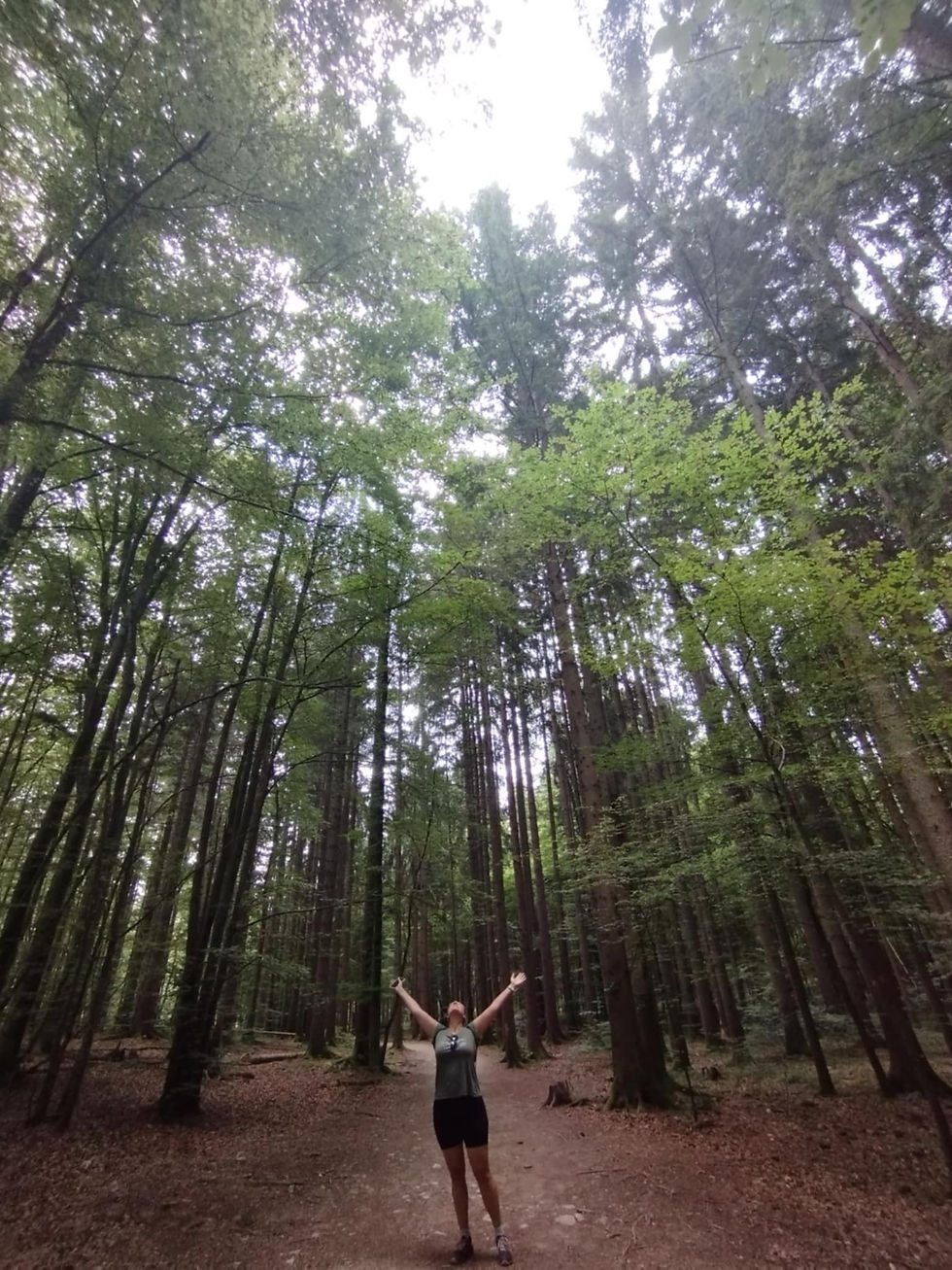
In our fast-paced, screen-filled lives, finding peace and balance often seems like a luxury. But what if the cure was as simple as stepping into the forest? In Japan, there’s a practice called Shinrin-yoku, or forest bathing, that encourages us to reconnect with nature in a mindful, healing way.
The Japanese characters for forest (three trees), grove (two trees), and bathing.
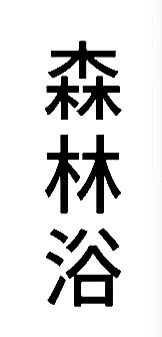
What is Shinrin-yoku?
The term Shinrin-yoku literally means “forest bathing,” not with water but with the atmosphere of the forest. The practice, developed in Japan in the 1980s, encourages people to immerse themselves in the world os nature, using all their senses to slow down, breathe deeply, and find peace.
Benefits of forest bathing
Modern science harks back to ancient wisdom. Spending time in the forest has significant physical and mental health benefits:
restores blood pressure: it results in positive changes in both low and high blood pressure.
reduces stress and anxiety: The soothing sounds, smells and sights of the forest reduce cortisol levels.
strengthens the immune system: trees release compounds that enhance the activity of our cells.
improves mood and concentration: time spent in nature helps relieve mental overload and restore focus.
supports better sleep: a calm nervous system facilitates deep rest.
How to practice Shinrin-yoku
The beauty of Shinrin-yoku is its simplicity, no special equipment is required. Here are some steps to get started:
1. Choose your forest (or park): it doesn't have to be wild; even urban green spaces can work well.
2. Slow down your pace: this is not hiking or exercise, walk slowly, without a goal.
3. Use all your senses:
Notice the details of the leaves and the light.
Listen to the birds, the wind, or the distant water.
Smell the earth, the bark of trees, or the flowers.
Touch the tree trunks, moss or stones.
If it's safe, try plants, such as rose hips.
4. Take frequent breaks: sit under a tree, breathe deeply, and let the silence wash over you.
5. Leave your phone at home (or put it on silent): it's about presence.

Forest bathing anywhere
Although Shinrin-yoku was inspired by the cedar forests of Japan, the practice can be adapted. You can also practice “forest bathing” in:
* In a nearby city park
* On a riverside path
* In a botanical garden
* Or even in your backyard under a single tree
The key is presence, not location.
Why we need Shinrin-yoku today
In a world of constant notifications, tight schedules, and mental overload, Shinrin-yoku offers a gentle reset button, a way to step away from the noise and reconnect with something timeless: our connection to nature.
It is not about doing, but about being. And in this silence we often rediscover not only peace, but also ourselves.
The next time you feel stressed, anxious, or restless, try walking into the trees. Don't rush. Don't force yourself. Just breathe, pay attention, and let the forest hold you.
The forest bath is always open.
You can also find me on social media with more useful advice and travel pictures at @wander.with.dora name. Safe travels everyone.


Comments