
Is the Camino safe? - especially for women
Walking the Camino de Santiago is a life-changing adventure for thousands of pilgrims every year. But one of the most common concerns, especially among solo female travelers, is: “Is the Camino safe?” This topic comes up in many Facebook groups, especially if someone is coming from another country or continent and not sure about what to expect from locals, or if there are other cultural differences.
The short answer is yes, the Camino is remarkably safe. However, like any long-distance journey through unfamiliar territory, it’s wise to be aware, prepared, and proactive. In this post, I'd like to write about safety on the Camino especially for women, and offer practical tips to keep your experience empowering and secure.
1. The Camino’s reputation for safety
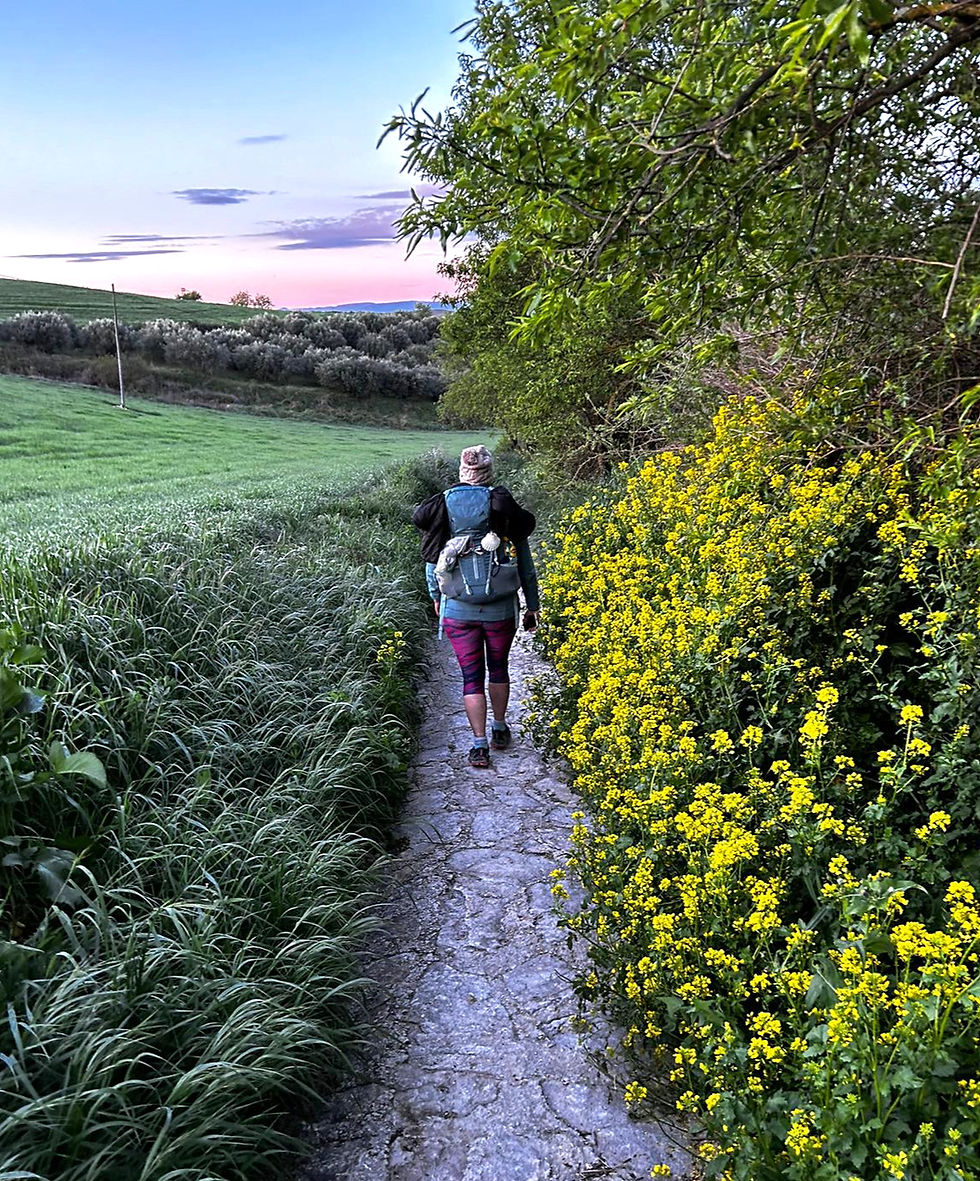
The Camino de Santiago, esecially the popular routes like the French route, Primitivo, Camino Portuguese are one of the safest long-distance walking routes in the world. Locals are welcoming, fellow pilgrims are supportive, and crime is relatively rare. Many solo walkers - women included - report feeling more secure on the Camino than in many major cities.
That said, isolated incidents do occur. Being informed and trusting your intuition is key to staying safe and confident. Unfortunately nowadays there are some people acting as pilgrims pretending to be in trouble and get money from others, men offering a ride to the next village to pick up women from the route. Getting information from the route related Facebook groups can help, don't let these scare you off though. There are also some less popular ways, like the Via de la Plata, where (depending on the season) you will meet less people. Be avare of your surroundings and use common sense.
2. Safety tips for women walking the Camino
Trust your instincts
If a situation or person doesn’t feel right, remove yourself. Your intuition is a powerful tool. You don’t owe anyone your time or explanation.
Choose popular routes
If it's your first Camino, consider the Camino Francés or Camino Portugués. These routes are well-traveled, offer more services, and make it easy to connect with others. You will almost never be alone on your daily walk.
Start early, arrive early
Walking in daylight is safest. Most pilgrims start around 6–8 AM and arrive at their destination by early afternoon, which avoids walking in the dark. Of course depending on the season this can vary.
Stay in credible accommodations
Stick to registered albergues, guesthouses, or hostels. Avoid isolated or unofficial places, and check reviews on apps like Gronze, Buen Camino, or Booking.
Walk with others when you can and feel like it
You don’t need to walk with others all the time, but joining fellow pilgrims occasionally adds an extra layer of security and friendship. You will likely meet the same people in the evenings at the accomodations, so it is easier to bond with them.
Share your itinerary
Let someone back home know your general plans. Apps like Polarsteps or WhatsApp location sharing can help loved ones keep track of your progress. In the evening I usually make a short post with some photos on Facebook or Instagram with my location, so people will know where I am and arrived safe to my next place. It also creates yourself a nice online memory wall.
Stay sober while walking alone
Enjoying wine or beer at meals is common, but avoid overindulging, especially when alone or in unfamiliar places. In summer a cold glass of beer can be refreshing, but remember in the heat it can quickly get in your head. Save that refreshment for the evening and hydrate with plenty of water on the way.
Pack a safety whistle or personal alarm
Lightweight and discreet, these tools can be useful for drawing attention in rare emergencies. I have a simple one attached to my backpack. Though most bacpacks have a built-in whistle, I found this louder. It helped me in situations with dogs to scare them off, but it can also be useful if you get injured off the trail where others can't really see you. Even if you can reach emergency people, it helps them to locate you.
Wear modest/practical clothing
You can wear what you like, but in rural and conservative areas, modest dress can help avoid unwanted attention. I saw a few younger girls walking in sport bras, which is understandable in the heat, but if you go into a a village or visit a church or museum, please put a shirt on.
Learn a few key phrases in Spanish
Knowing how to ask for help, say “no,” or explain a problem builds confidence and makes communication smoother. You don't have to be fluent, just look up some phrases or words you think might help and have them saved on your phone.
3. What to do if you feel unsafe
If you encounter uncomfortable behavior or feel threatened:
Move to a public area or find a group of pilgrims.
Tell hospitaleros (hostel staff), they’re usually very supportive and can offer help or guidance.
Call emergency services – Spain's emergency number (and in all Europe) is 112.
There are also Camino Facebook groups and local pilgrim offices you can message for advice and support. Always report cases, it helps other pilgrims too.

4. Talk to solo female pilgrims
Many women describe walking the Camino as an empowering and healing journey. You can find confidence in you, and be sure that you can solve situations you never thought before. If you are still unsure about what to expect, talk to women who already walked the camino, what are their experiences, how did you prepare for the journey and how do they feel afterwards.
5. Empowerment through preparation
The Camino is not just a physical journey, it’s a deeply personal one. While no trip is without its risks, being informed, cautious, and connected makes it a safe and inspiring experience, especially for solo women.
Take your space, walk with confidence, and know that you’re part of a community that spans the globe.
Safety packing list
Personal alarm or whistle
Power bank
Headlamp or flashlight
Copy of ID/passport - email them to yourself and a loved one in case of loosing them
Emergency contact card, you can add your blood type, allergies too.
Local SIM or international data plan
Buen Camino, and may your journey be both safe and transformative. If you still need more information or build up confidence and courage for the start of your journey, don't hesitate to contact me or email me, I'm happy to help.


Comments